PLAN DE LECTURA

  •  DREAM CATCHERS- ATRAPASUEÑOS

  1.     THERE IS A NIGHTMARE IN MY ROOM


I've simplified the text to a lower level for you. Let's reading it together!

Humans have always found dreams interesting. Some people try to remember and understand them, while others forget dreams quickly. In certain Native American cultures, people use dream catchers to influence their dreams.

Dream catchers are handmade crafts with a circular hoop, often made of willow wood, and a loose yarn web. They are decorated with beads and feathers hanging below the hoop.

The origin of dream catchers is in the Ojibwe Nation, where they hold a special place in the culture's religion. Ancient stories talk about the Spider Woman, a helpful figure for the Ojibwe people when they lived on Turtle Island. As they moved across North America, the Spider Woman inspired mothers and female family members to make dream catchers, resembling spider webs. These were meant to protect children from bad dreams and thoughts. Over time, dream catchers became popular among various Native American peoples.

How do dream catchers work? Some believe good dreams pass through the web, down the beads and feathers to sleeping children. Bad dreams are caught in the web, disappearing with the morning light. Others think bad dreams pass through the web's holes and exit through the window, while good dreams are caught and delivered to the sleeping child.

Despite these interpretations, the main idea behind dream catchers remains the same—they offer protection by filtering dreams. Traditional dream catchers have eight points representing a spider's legs, symbolizing energy, wisdom, and learning. For some Native Americans, dream catchers are more than just symbols; they are totems representing positive energy, countering negativity whether awake or asleep.

Whether you've slept under a dream catcher or made one yourself, understanding and appreciating their significance is essential. Dream catchers are vital to cultures that have been around for thousands of years.


SISTEMAS DE REPRESENTACIÓN: DEL PLANO AL ESPACIO

SISTEMAS DE REPRESENTACIÓN: DEL PLANO AL ESPACIO


WEB: sistemas de representación

MI CIUDAD ISOMÉTRICA

AQUÍ TIENES TU PLANTILLA


DIEDRIC SYSTEM


SISTEMA DIÉDRICO


Representaremos en sistema diédrico una escultura de Huelma

Imágenes de la página Temarte


MAGOS ISOMÉTRICOS

La perspectiva axonométrica es una forma de dibujar cosas en 3D en papel. Sirve para mostrar cómo se ven objetos complejos desde diferentes ángulos. Esta vista ayuda a los arquitectos y diseñadores a entender cómo se ven sus ideas en la realidad. ¡Es como tener una súper vista de rayos X que te permite ver lo que hay dentro!

Sistema Axonométrico

Ahora haremos un diseño de una ciudad en isométrica. Mira estos ejemplos
Nosotros trabajaremos con la perspectiva caballera para realizar una interpretación del castillo de Huelma.


COMPRENSIÓN LECTORA: CASTILLO DE ALBURQUERQUE (HUELMA) 
                                                    CASTILLOS Y FORTALEZAS MEDIEVALES


Elementos de un castillo en perspectiva caballera


TESSELATIONS AND ESCHER


TESSELLATION: WHAT IS THAT?


WHAT IS TESSELLATION?


 Do you know who is Escher?


CÍRCULO CROMÁTICO DE 12 COLORES

 EL COLOR


AFIANZAMOS CON UN VÍDEO


COMPLETEMOS EL TEXTO DEL CÍRCULO CROMÁTICO


y ahora haremos nuestro propio círculo cromático a partir de una circunferencia dividida en 12 partes iguales. 


para colorearlo, ten en cuenta que debes usar solo los primarios y colocarlos de manera equidistante. 


PRUEBA TU PROPIA PALETA DE COLORES AQUÍ

Want to know what colors look good together? Canva's Color Wheel makes color combinations easy.

REPRESENTACIÓN TRIDIMENSIONAL

  1.  ESCULTURA Y VOLUMEN
  1.  ESCULTURA CON PLANOS SERIADOS

Shugo Tokumaru / Katachi from Kijek / Adamski on Vimeo.


PRESENTACIÓN


Para entenderlo e inspirarte más y mejor  visita Artume  Y PINTEREST


También se puede aplicar los planos seriados para dar sensación de tridimensionalidad, mira las ideas de Maribel

PROYECTO 

NO TE PIERDAS A EIKO OJALA Y SÍGUELO EN INSTA
PUEDES INSPIRARTE EN ESTE TABLERO DE PINTEREST

        2.   ESCULTURA CON ENSAMBLAJE 

presentación de Raquel Gómez

VISUAL LANGUAGE: ICONICITY LEVELS

NOS SITUAMOS


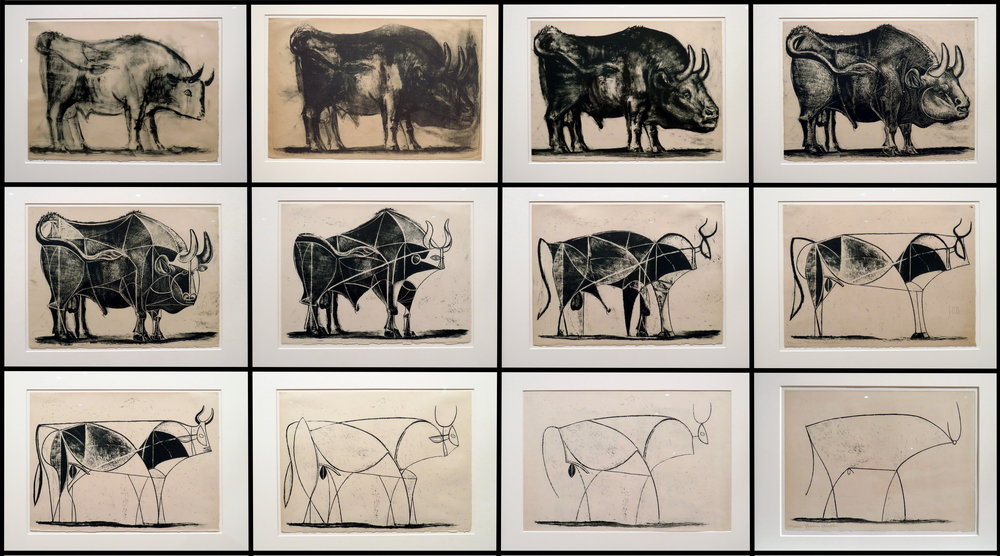
La Imagen es un modo de comunicación. Una IMAGEN, ya sea con técnica de Dibujo, Pintura, Escultura... es una representación de una realidad, pero esa representación puede parecerse mucho a la realidad o no. 

LENGUAJE VISUAL: NIVELES DE ICONICIDAD

"Me tomó cuatro años pintar como Rafael, pero me llevó toda una vida aprender a dibujar como un niño” Picasso


ARE YOU READY TO PRACTICE??

PARA ENTENDER LA TAREA QUE REALIZAREMOS A CONTINUACIÓN MIRA EL ESTUDIO DE GRADOS DE ICONICIDAD DE PICASSO


ACTIVIDAD:
  • Divide tu lámina en dos partes iguales.
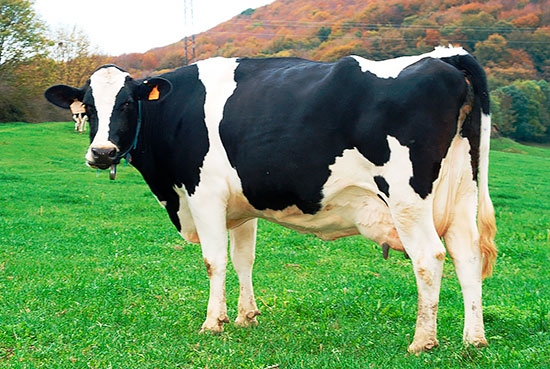
  • Elige una de las imágenes que te muestro a continuación.
  • Dibuja en primer espacio una imagen figurativa a partir de la imagen elegida, y en el segundo dibuja una imagen abstracta a partir de la anterior inspirada en lo que nos hace sentir ese objeto. 
Acuérdate que anteriormente hemos aprendido a expresarnos con el punto, la línea, el plano, las texturas, el color… aplica esos conocimientos para realizar esta tarea. La técnica es libre, puedes hacerlo con el material qué quieras y utilizar cualquier manera para expresarte.
IMÁGENES A ELEGIR


Mira estos ejemplos:


ACTIVIDAD VOLUNTARIA: 


REFUERZO

PROFUNDIZACIÓN

PARA SABER MÁS:  APUNTES

EJERCICIOS DE PROFUNDIZACIÓN

PRÁCTICA DE PROFUNDIZACIÓN

LECTURA El Guernica de Picasso 

Picasso y el Guernica en el Reina Sofía

SHAPE IN ART


SdA- MI ESTRELLA CONTRA EL CAMBIO CLIMÁTICO

¿SUEÑAS CON UN MUNDO MEJOR? 
¿QUÉ VAMOS A HACER? Vamos a aplicar la construcción de polígonos y estrellas al diseño de una estrella que represente las acciones que a nivel personal puedo hacer yo contra el cambio climático. 

Mira estos ejemplos de compañeros de otros años. 


Plan de lectura: Pero antes de comenzar, ¿Sabes que es el calentamiento global? ¿Es lo mismo calentamiento global que cambio climático?
Y ahora, ya que sabemos un poquito más, completaremos juntos en un mapa mental los factores principales que lo provocan, los efectos que produce y las soluciones que podemos adoptar para combatirlo. A partir de aquí diseñaremos nuestra estrella.