Un CÓMIC o HISTORIETA es una técnica que consiste en contar una historia a través de dibujos
y textos escritos, aunque a veces puede aparecer sin texto.
Vamos a aprender un poco sobre el cómic en la siguiente presentación:
CONOCES A BELÉN ORTEGA? Dibujante de cómics granadina, En 2019 se convierte en la primera española dibujante que trabaja para las editoriales Marvel y DC Comics.
La Imagen es un modo de comunicación. Una IMAGEN, ya sea con técnica de Dibujo, Pintura, Escultura... es una representación de una realidad, pero esa representación puede parecerse mucho a la realidad o no.
LENGUAJE VISUAL: NIVELES DE ICONICIDAD
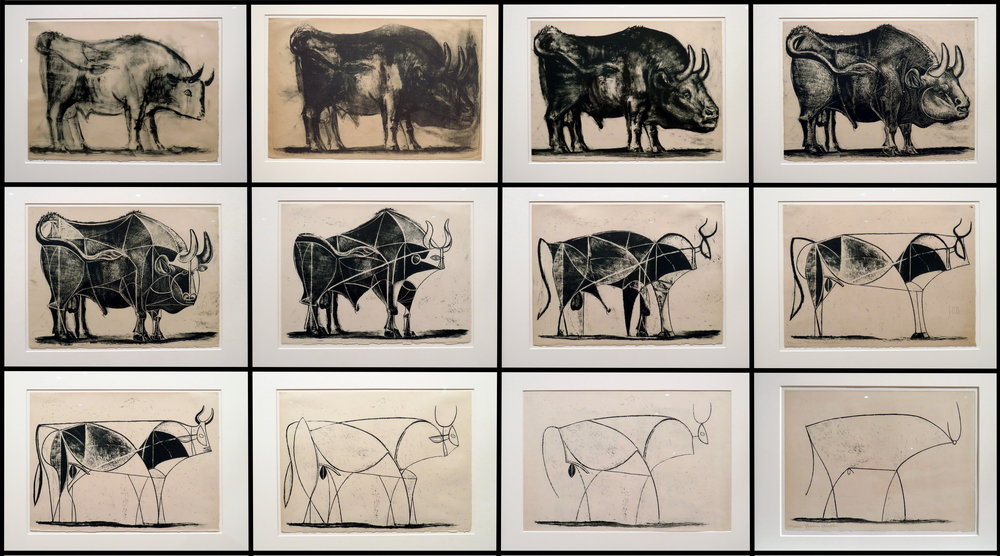
"Me tomó cuatro años pintar como Rafael, pero me llevó toda una vida aprender a dibujar como un niño” Picasso
ARE YOU READY TO PRACTICE??
PARA ENTENDER LA TAREA QUE REALIZAREMOS A CONTINUACIÓN MIRA EL ESTUDIO DE GRADOS DE ICONICIDAD DE PICASSO
ACTIVIDAD:
Divide tu lámina en dos partes iguales.
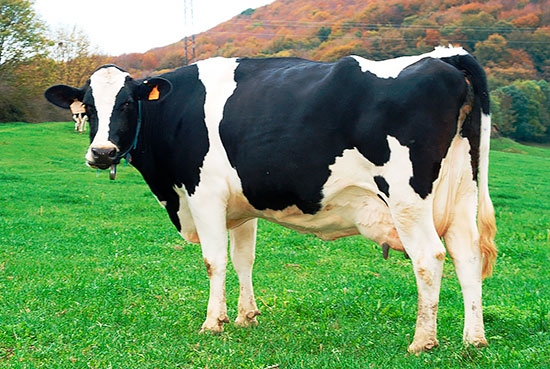
Elige una de las imágenes que te muestro a continuación.
Dibuja en primer espacio una imagen figurativa a partir de la imagen elegida, y en el segundo dibuja una imagen abstracta a partir de la anterior inspirada en lo que nos hace sentir ese objeto.
Acuérdate que anteriormente hemos aprendido a expresarnos con el punto, la línea, el plano, las texturas, el color… aplica esos conocimientos para realizar esta tarea. La técnica es libre, puedes hacerlo con el material qué quieras y utilizar cualquier manera para expresarte.
Look around you and you will seehow many geometric shapes there are in nature and in architecture.
Nature shows us a great variety of geometric figures found in plants, animals and landscapes, such as symmetry in butterflies and spirals in snail shells. Moreover, art uses geometry to create patterns and designs such as mosaics or Gothic stained glass.
Watch the video for an introduction to the language of color.
Next, take this pre-assessment to see how much you already know about color’s words.
The chart that shows the
relationship of different colors to each other is called the (1)
_______________________. Instead of the word “color,” one could also use the
three-letter word (2) ________.
The three colors from which
all other colors are made are called (3)________________ colors, and they are
(4)__________, ____________, and ____________. Colors that are created by
mixing equal parts of the colors above are called (5) _____________________ colors,
and they are (6) _______________, _______________, and ____________________.
Colors that are created from equal parts of each of the two kinds of colors
above are called intermediate or (7)________________________ colors. When
describing these colors, place the (8) ________________ color first.
Colors that are next to
each other on the color wheel are called (9)___________________. Colors that
are opposite to each other on the color wheel are called 10)_______________.
When these colors are placed next to each other, they make each other seem (11)
____________________. When mixed equally, they create muddy tones like black,
gray, and brown.
If you add white to a
color, that is called a (12) ______________. If you add black to a color, that
is called (13)_________________.
If something only uses one
color, it is called (14)______________________________.
If something uses more than
one color, it is called (15) _________________________.
If something is completely
lacking in color, it is called (16)_______________________.
The colors on the
green/blue/violet side of the color wheel are called (17) ___________.
The
colors on the red/orange/yellow side of the color wheel are called (18)
__________.
mira este enlace, prueba a cambiar las coordenadas de color luz en el sistema RGB
ACTIVIDAD: Vamos a realizar un círculo cromático de 12 colores. ¿Es muy complicado? También puedes hacerlo de 6. Empieza primero colocando los primarios y luego realiza las mezclas correspondientes para los secundarios y terciarios. El resultado debe ser algo así
ACTIVIDAD: Realiza una lámina de cálidos y fríos. Divide tu block en dos y colorea un mismo dibujo con colores fríos a un lado y otro con colores cálidos. También puedes realizar un solo dibujo grande y colorearlo diferenciando bien las dos zonas. Cuantos más tonos de colores utilices mejor!
Ya hemos visto el punto y la línea en geometría, ahora vamos a soltarnos un poco y a ver estos dos elementos de manera artística.
Empezaremos por el punto como elemento básico del lenguaje visual. En el lenguaje hablado usamos letras que combinadas forman palabras y estas, a su vez, frases que expresan ideas y sentimientos. De la misma manera, en la imagen tenemos unos elementos básicos que combinados también expresan ideas, sentimientos y emociones. Estos elementos son: el punto, la línea, el plano, el color y la textura.
EL PUNTO
¿HASTA DONDE SE PUEDE LLEGAR DIBUJANDO CON PUNTOS?
Te atreves a probar? Aquí tienes la plantilla para imprimir. Consejo: haz los puntos con cuidado, no dejes caer el rotulador al azar!
Mira estos ejemplos de otros alumnos/as
Pero a parte del Puntillismo hay otras maneras de utilizar el punto como elemento expresivo, ya hemos visto en la presentación como lo encontramos en el Pop Art, en el Arte Óptico y en innumerables artistas.
Sonia Delaunay fué una artista que, junto a su marido y otros, fundó el Orfismo, movimiento artístico que se caracteriza por el uso de colores fuertes y formas geométricas. Su trabajo abarca pinturas, diseño textil y diseño de escenografía.